GREDI
  • Home
  • Lines of research  
    • Participation
    • Gender
    • Interculturalism
    • Methodologies  
  • Transfer
  • About us
  • Contact
  • Menu

Educational needs of teachers in the EU for inclusive education in a context of diversity (inno4div)

Supported by:

POLICY AND RESEARCH CONTEXT

In a context of increasing populism, xenophobia and radicalisation, shared values and social cohesion in our diverse societies are questioned. The JRC transversal project “Values and identity in a multicultural society” aims at improving our understanding of the European values and identities in order to reinforce them through the better design and implementation of all EU policies. One of the research activities will focus on understanding the needs of teachers and learners alike as to adopt European values enriched curricula in today’s diversity context for inclusive education.

Background and rationale:

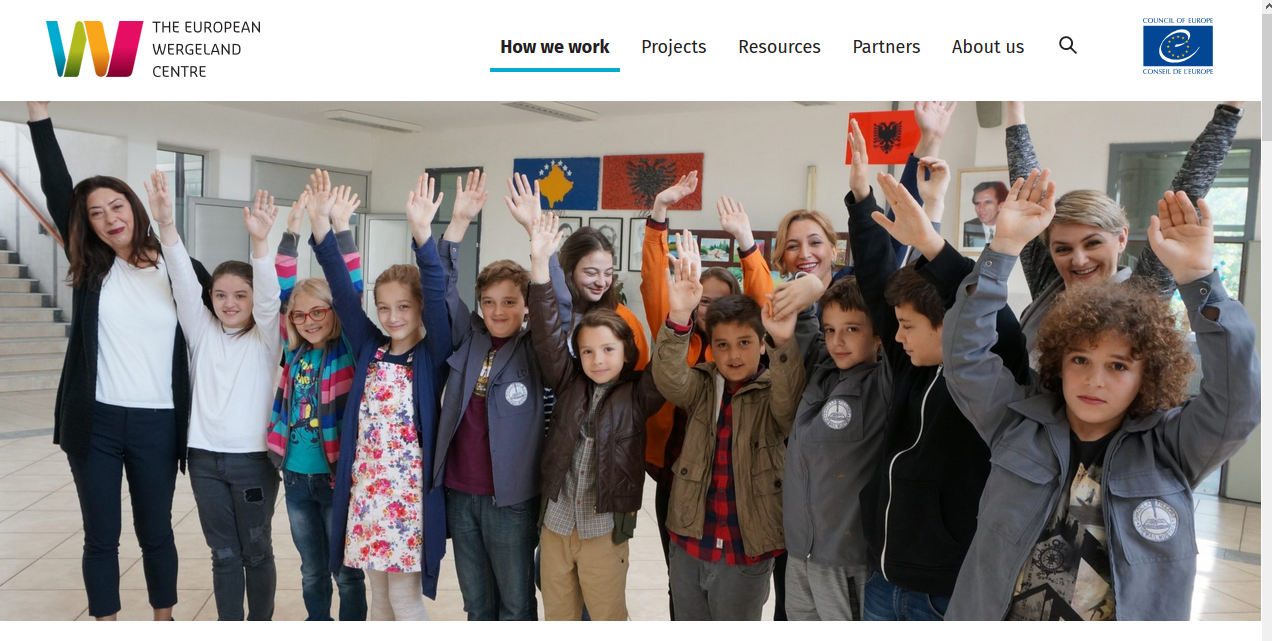
This tender of research from Joint Research Center fo European Commission has been leb by the Universitat Catòlica de Valencia. Gredi has participated in the research team.
The Directorate for Growth and Innovation (Directorate B) of the Joint Research Centre (JRC) of the European Commission, based in Seville (Spain), is closely involved in creating a strong and resilient Economic and Monetary Union, ensuring stable financial markets, as well as strengthening and deepening the Single Market including the Digital Single Market. It assists in the development of policies for trade and modern manufacturing as well as in the analysis of how to achieve equitable access to education and training. This includes the examination of the key issues around open, digital science as well as open innovation and the characteristics of innovation ecosystems. It also includes the analysis of the impact of regional funding.

AIM AND OBJECTIVES

The overall aim of this research is to support polices addressing the barriers in the field of IC of teachers. Based on existing knowledge of the key enabling components of Teachers’ IC and their associated barriers, the concrete aim of this research is the identification and analysis of innovative good practices, mainly within the EU, to address those barriers.
An objective of the research will be gathering an inventory of examples illustrating innovative practices that have emerged to overcome the barriers teachers find in acquiring and teaching IC.
An in-depth analysis of the inventory as well as a cross-case analysis of practices validated by experts and teachers will produce a series of policy recommendations to support educational policy designers and other stakeholders.

METHODOLOGICAL APPROACH

Systematization of the enabling components (KEC) for Teachers’ IC that the JRC.B.4 Unit has identified after the review of the literature in the field of IC.

Selection of Good Practices related to development of Intercultural Competences for a Democratic Society (ICD) addressed to the teachers.

Analysis of the cases at several levels applying quantitative and qualitative strategies.

The project lasted

1

year

(from 2019 to 2020)

Theoretical model of Intercultural Competencies of the project is based on Model of ICD of the Council of Europe, described as:
“The capacity to engage in open, appropriate and effective interactions across cultures. It is the ability to establish positive interactions with people of different national, ethnic, religious, social or cultural backgrounds or gender, these being the dimensions that are most immediate and required when it comes to educational settings. These dimensions address all marginalized groups such as minorities, religious groups or economically marginalized individuals”.

Reference framework of competences for democratic culture (RFCDC, 2018, p.32)

WORKPACKAGES AND TASKS

WP1. Work plan and methodology refinement
WP2. Systematic literature review of key enabling components of Teachers’ IC and associated barriers
WP3. Innovative good practices of Teachers’ IC
WP4. Cross-case analysis and expert validation
WP5. Final report

DELIVERABLES

VOLUME 1:

INTERCULTURAL COMPETENCE OF TEACHERS:
Working definition and implications for teacher’s educators

Read the document

VOLUME 2:

Review of the literature on key components that allow the development of intercultural and democratic skills of teachers and their associated barriers

Read the document

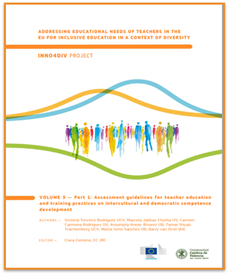
VOLUME 3 – Part 1:

Assessment guidelines for teacher training and training practices on development in intercultural and democratic skills

Read the document

SOME OF THE CASES AND PROJECTS ANALYZED

KEC 1: Common understanding of knowledge, skills, and attitudes related to IDC

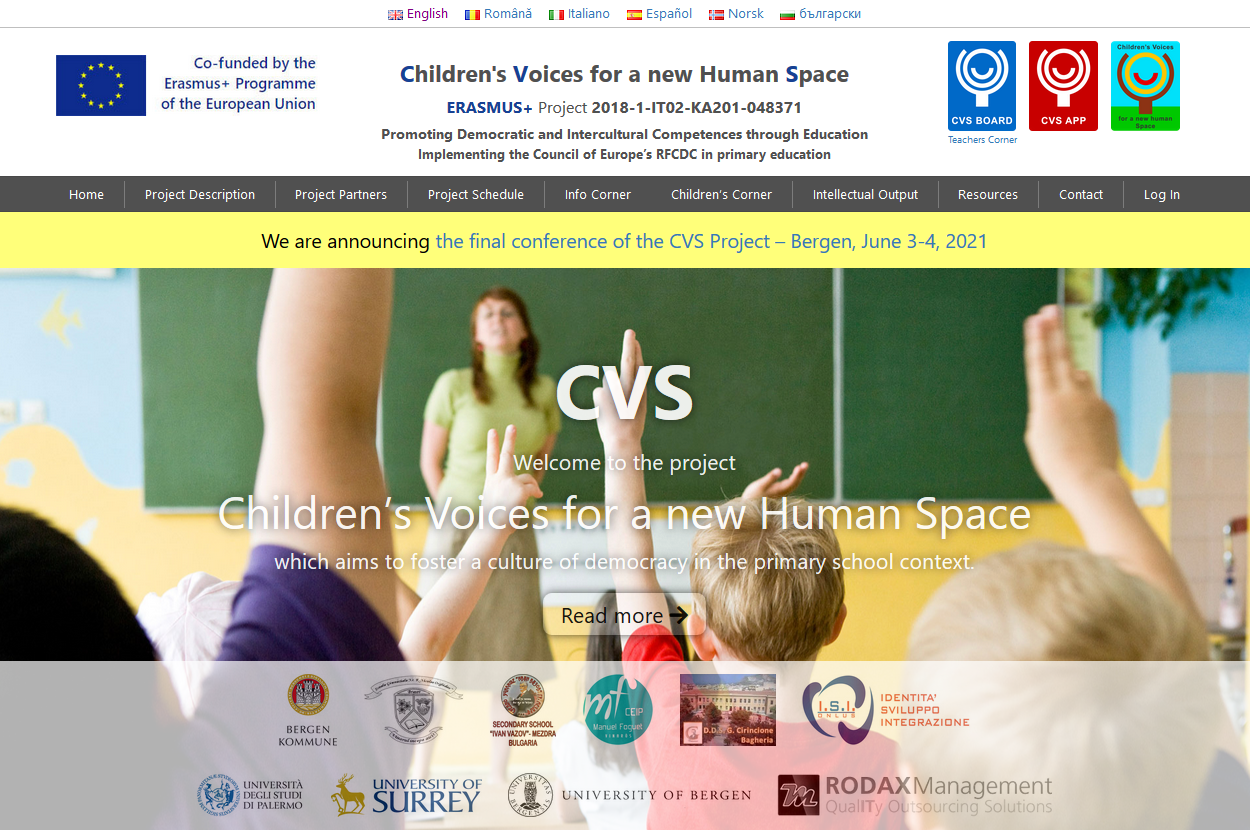
Children’s Voices for a new Human Space (CVS)

To foster a culture of democracy in the primary school context.
The objectives of the project are:

  1. Enhance teachers’ access to DI education.
  2. Increase teachers’ knowledge about DI education
  3. Equip teachers with tools and methods to promote and assess pupils’ DI competences.
  4. Foster the development of pupils’ DI competences.
  5. Empower pupils, offering them the opportunity to participate effectively in public life and decision-making processes, making their voices heard.
  6. Promote the involvement of pupils with a migrant background; all following the RFCDC implementation guides.

The CVS project has four intellectual outputs:

  1. Training seminar for teachers.
  2. IDC-oriented curriculum for children.
  3. Supervision App for teachers.
  4. Action research for the assessment of the attainment of IDC among school students as a result of the project.
Go to the website

KEC 2: Supporting educational policies

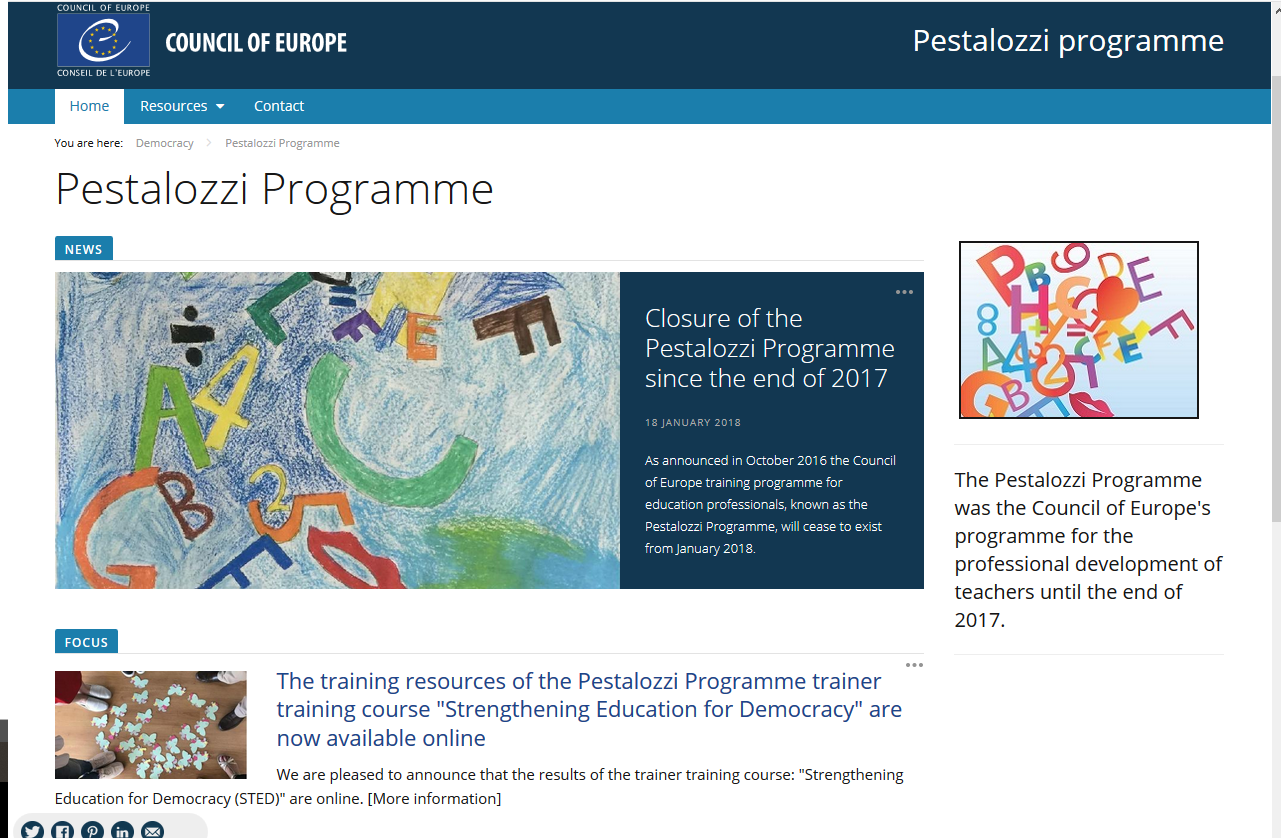
Pestalozzi Programme

The aim of the PP is to Empower education professionals to contribute towards constructing a more humane, inclusive Europe, i.e., to develop democratic participation, respect for diversity and enhanced social cohesion.
The trainings units (TUs) are one of the major outputs of the Pestalozzi trainer training modules.

The TUs use the TASKs for their competence-based approach, and they can therefore be categorised with double entries: transversal (or generic) competences on one hand and themes on the other hand. The themes may also be categorised for further ease of use:

  • Prevention of violence and discrimination
  • Competence based approaches to education for a democratic culture
  • Media literacy
  • Health and human rights
  • Cultural literacy
Go to the website

KEC 3: Effective initial teacher education (ITE) curricula

Including mandatory IDC and related assessment methods, naming specific learning objectives and competences and how to foster them with appropriate tools, methods, and teaching approaches in classroom education and extracurricular activities.

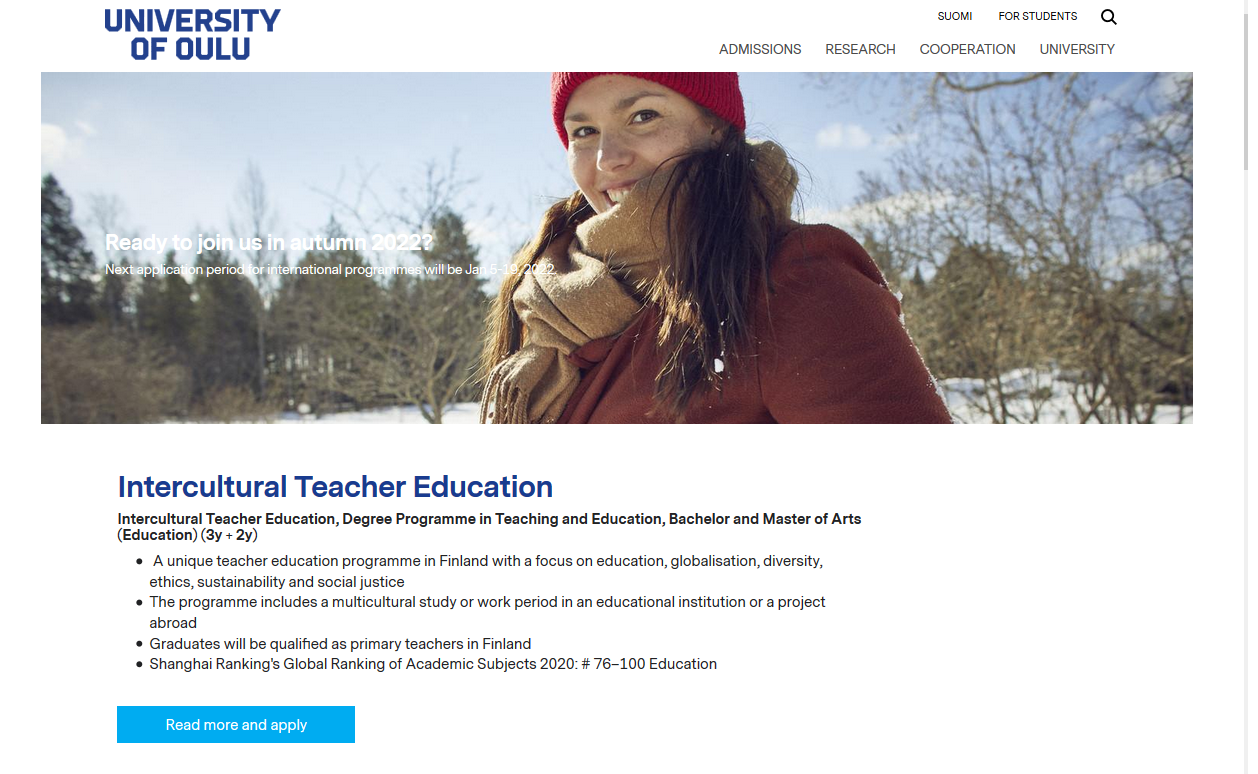
Intercultural teacher education

Intercultural Teacher Education, Degree Programme in Teaching and Education, Bachelor and Master of Arts (Education) (3y + 2y)

  • A unique teacher education programme in Finland with a focus on education, globalisation, diversity, ethics, sustainability and social justice.
  • The programme includes a multicultural study or work period in an educational institution or a project abroad.
  • Graduates will be qualified as primary teachers in Finland.
  • Shanghai Ranking’s Global Ranking of Academic Subjects 2020: # 76–100 Education

The Intercultural Teacher Education programme (ITE ) is unique in Finland as it is the only teacher education programme in English with a focus on education, globalisation, diversity, ethics, sustainability and social justice. The degree is oriented towards primary teacher education, so the programme focuses on the specific issues related to the teaching and education of pupils studying in grades 0-6 in basic education. The programme also provides competences for international educational tasks.

Go to the website

KEC 4: Availability of high-quality IDC courses for teachers’ continuing professional development (CPD)

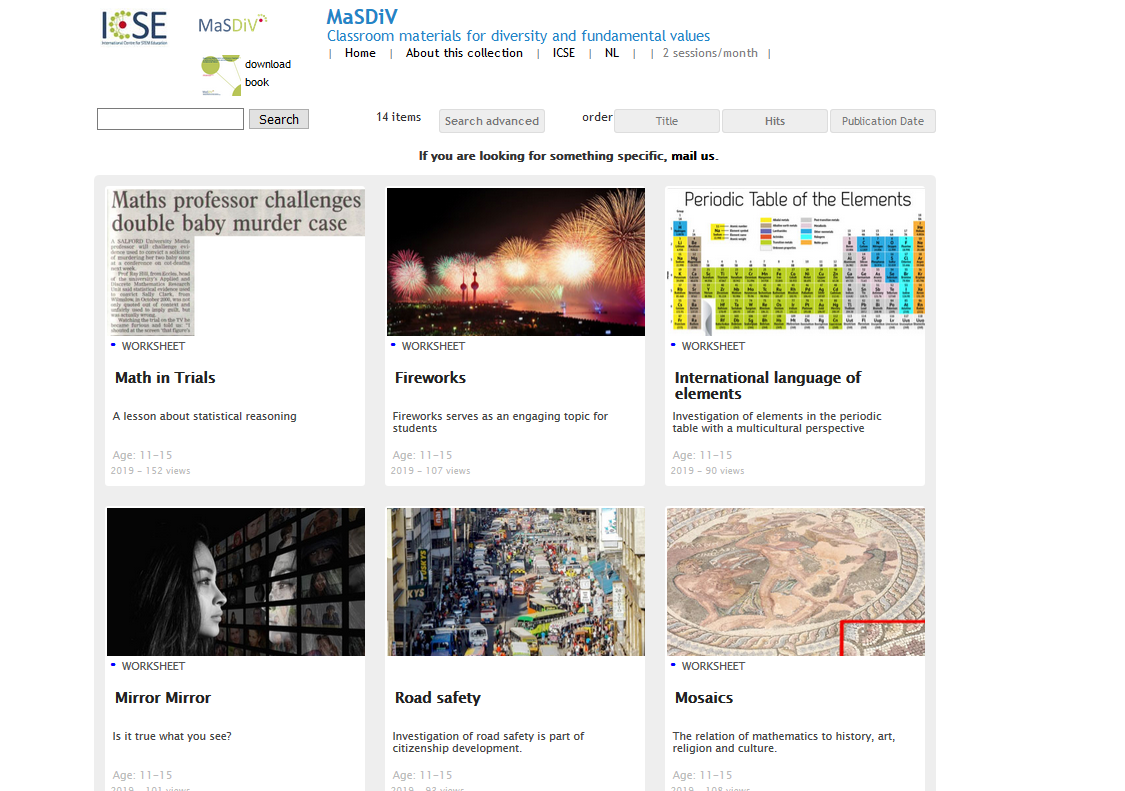
Supporting mathematics and science teachers in adressing diversity and promoting fundamental values

Are they culturally independent? No, they are not! If we want to decide on whether measles vaccination should be obligatory or not, this decision is not only influenced by facts from natural sciences but also by ethical and moral values and by parents’ autonomy on deciding for their child. Different cultures use science differently and advance science and mathematics through the cultural lense of their researchers and experts. However, science and mathematics teachers are neither prepared to include citizenship education nor taking into account different cultural backgrounds in their education. The EU funded project MaSDiV aims:

  • To supports maths and science teachers.
  • To deliver inclusive education for all students.
  • To build active citizenship
  • To foster intercultural learning.

To this end, ministry-university tandems from six European countries work closely together to develope and implement a professional development course which innovatively connects mathematics and science education with intercultural learning and the promotion of fundamental values.

Go to the website

Kec 5: Integrated IDC across the school curriculum

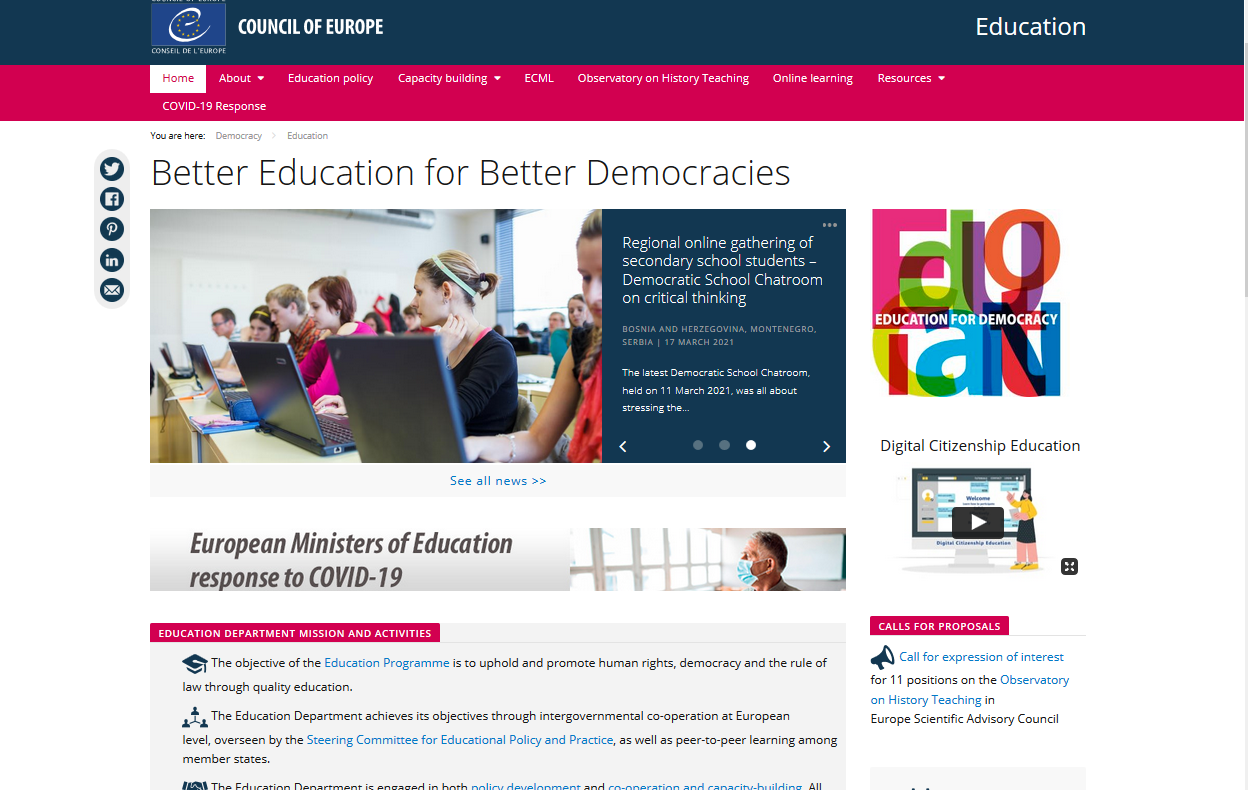
Competences for democratic culture

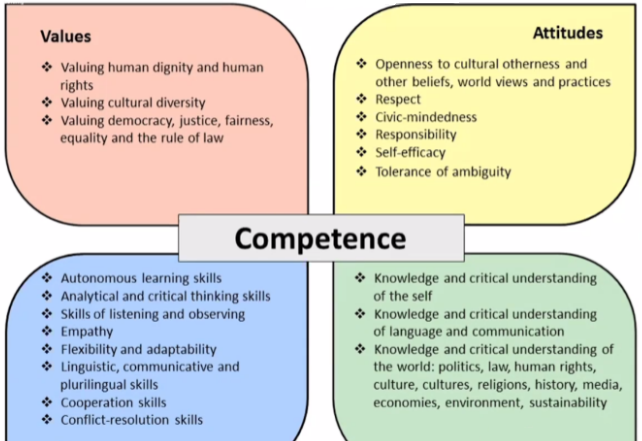
A modern democracy cannot function unless it is able and willing to engage in intercultural dialogue, and intercultural dialogue is difficult to imagine without democratic culture. It would therefore be unhelpful to treat democracy and intercultural dialogue separately. The group has so far agreed on four main categories of competence: values; knowledge and critical understanding; attitudes; and skills. It is also discussing the components that go into each category. Random examples would be valuing other human beings, human dignity and human rights; civic-mindedness; analytical and critical thinking skills; and knowledge and critical understanding of politics, law and human rights.
Reference framework of competences for democratic culture:

  • Volume 1 – Context, concepts and model: Available in English, Georgian, Macedonian, Romanian and Ukrainian
  • Volume 2 – Descriptors: Available in Albanian, English, Georgian,Macedonian, Portuguese, Romanian, Slovak and Ukrainian
  • Volume 3 – Guidance for implementation: Available in English, Georgian, Macedonian, Romanian and Ukrainian
Go to the website

KEC 6: Application of effective teaching methodologies based on adapted pedagogical approaches

Such as: peer-learning, IDC networks, IDC working groups in school, working groups, experiential learning, collaboration, challenging assumptions, and learning communities.

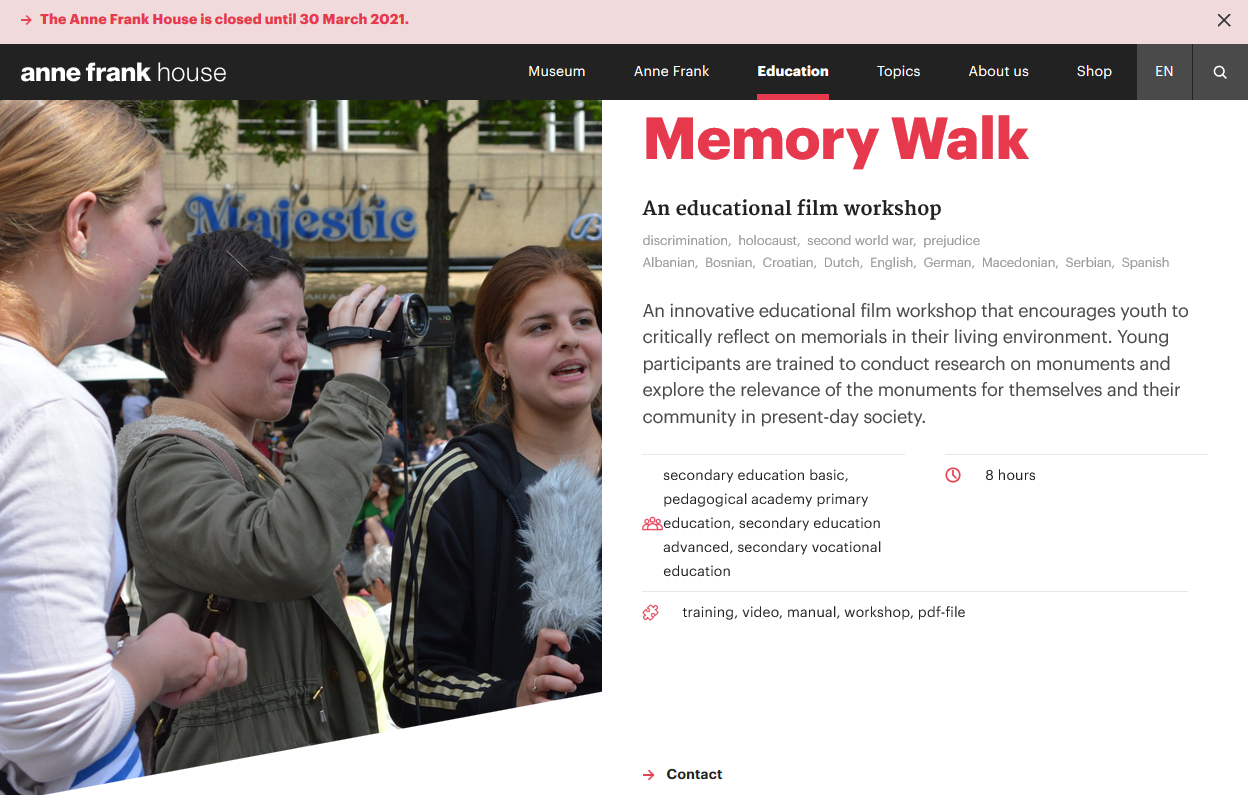
Memory walk

This project aims to create awareness on the importance of monuments and their contested histories, while also generating critical thinking about the way such monuments are used. Participants get to not only develop their research skills, but also learn about filmmaking and how to interview local people about social issues. The purpose of these videos which are created by the participants themselves with the guidance of experts, is to trigger a debate about the commemorated events or people in history.

An innovative educational film workshop that encourages youth to critically reflect on memorials in their living environment. Young participants are trained to conduct research on monuments and explore the relevance of the monuments for themselves and their community in present-day society.

Go to the website

KEC 7: Availability of supporting tools

Aimed at selecting educational experiences that show the use of pegagogical and assessment tools for pre-service and in-service teachers’ IDC development.

Intercultura assessment protocol

The University of Udine in collaboration with Fondazione Intercultura Onlus has launched a pilot project entitled “Intercultura assessment protocol”. The aim was to design, propose and validate guidelines, tools and an assessment rubric that can be adopted in the context of secondary schools and which will enable teachers to assess the intercultural competence of 16-17 year-old students on their return from a year -long international mobility programme.

More than 100 secondary school teachers participated in the pilot project. They all had at least one student participating in an annual International Individual Mobility Program with INTERCULTURA Onlus Association in 2016/2017.

Go to the website

KEC 8: A Whole School Approach (WSA) to intercultural learning, framing, accompanying, and supporting teachers’ IC learning and teaching activities

Which needs to be promoted by policymakers and has to be put into practice by the respective educators and school administrators.

The EDC/HRE whole school approach for the prevention of discrmination and violence in schools and communities

Developement of the tool for planning, monitoring and evaluation of education for democratic citizenshim and human rights Education at schools. The Tool includes 26 democratic standards in three main areas:

  • Development of democratic school environment and democratic governance at school.
  • Fostering EDC/HRE in teaching and learning processes.
  • Establishing links and partnerships with local community and parents.

It is also multifunctional as it serves as the basis for school self-evaluation, suggesting at the same time possibilities for further democratic development and helping to monitor the progress in embracing democratic culture at school.

Go to the website

KEC 9: Teacher educators with experiential knowledge about interculturality and diversity that foster the integral quality of IC

Teacher educators that experience an opportunity to engage in the same style of learning they are designing for their students.

Lead researchers

  • Tamar Shuali
  • Assumpta Aneas

Este proyecto se ha dirigido by:

This project has been carried out in collaboration with:

Abordem de manera interdisciplinar, intercultural i feminista reptes socials contemporanis.

Les nostres activitats són la recerca, la innovació, la difusió del coneixement i la docència.


Xarxes socials

@GREDI_UB

Qui som

Grup de Recerca consolidat en Educació Intercultural de la Universitat de Barcelona. Reconegut i Finançat per la Generalitat de Catalunya 2017-2019. Resolució EMC/1164/2017


Contacte

Passeig de la Vall d’Hebron, 171
Campus Mundet
Departament de Mètodes d’Investigació i Diagnòstic en Educació
Edifici de Llevant, 2a planta
08035 Barcelona

Tlf: +34 9340 35248
Fax: +34 9340 35011

gredi@ub.edu

© Copyright - GREDI - Enfold Theme by Kriesi
Scroll to top