In the heart of Barcelona, an international hub for biomedicine research

Part of the awarded center of excellence The Institute of Neurosciences (UBneuro)

BCNlab is an emerging research group at the University of Barcelona that consolidates a long history of research in brain connectivity under both healthy and pathological conditions. Our interests are focused on investigating brain resilience mechanisms to fight against neurological diseases. We aim to tackle our research from a multiscale perspective and link large-scale network changes with neurobiology in order to have new therapeutical targets. To this end, we have a multidisciplinary team and collaborators, including physicists, medical doctors, biologists, and engineers.

TEAM

TEAM

A multidisciplinary and enthusiastic team

Neuroimaging, neuronatomy, neurobiology and neuropsychology

We are always looking for passionate and talented people to contribute to our research efforts. If you are interested in joining our team, please do not hesitate to contact us.
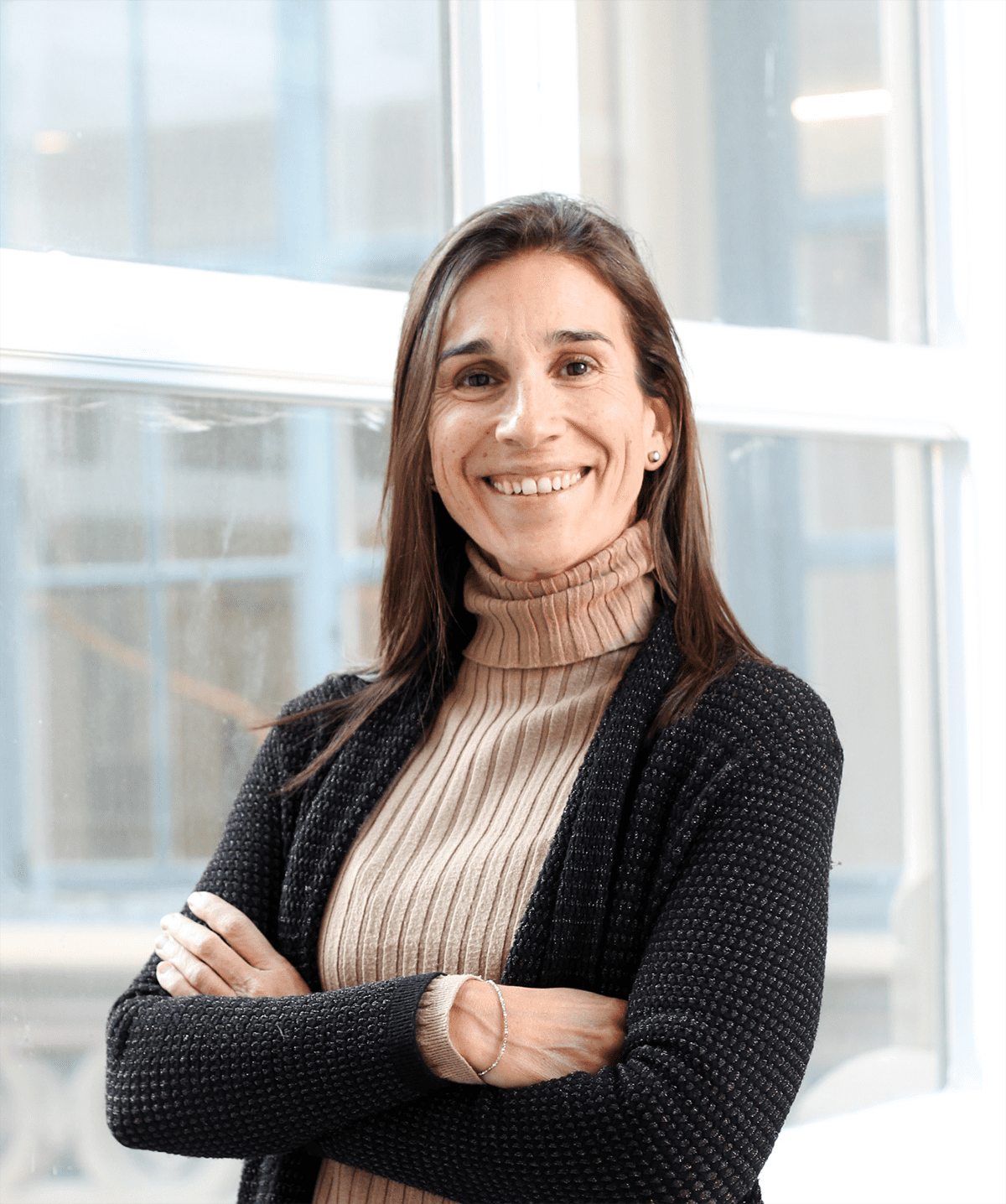
Guadalupe Soria, PhD

I began my journey in Neuroscience in 2001 with a PhD in Neuropharmacology (UPF, 2006), where I gained expertise in behavioral and neurochemical aspects of drug addiction. Intrigued by Neuroimaging techniques, I pursued a postdoc at the Max-Planck Institute (Koeln, 2008). Upon returning to Barcelona, I managed the Experimental 7T MRI Core Facility at IDIBAPS for a decade, focusing on advanced MRI techniques for studying brain connectivity (DWI, fMRI) in various neurodegenerative models. Supported by competitive grants (ISCIII, ERANET-Neuron, Marató TV3), our work aimed to identify early biomarkers for diseases like Vascular Dementia and Alzheimer’s.

Since 2021, I am Assistant Professor at the Faculty of Medicine and Health Sciences, leading the Brain Connectivity and Neuroimaging lab. I belong to the Institute of Neuroscience (accredited María de Maeztu), where I collaborate closely with an exceptional network of neuroscientists. Our research, funded by the Spanish Ministry of Science and Innovation, explores the neurobiological underpinnings of cognitive reserve and its relation to brain connectomics, with the ultimate goal of enhancing cognitive reserve.

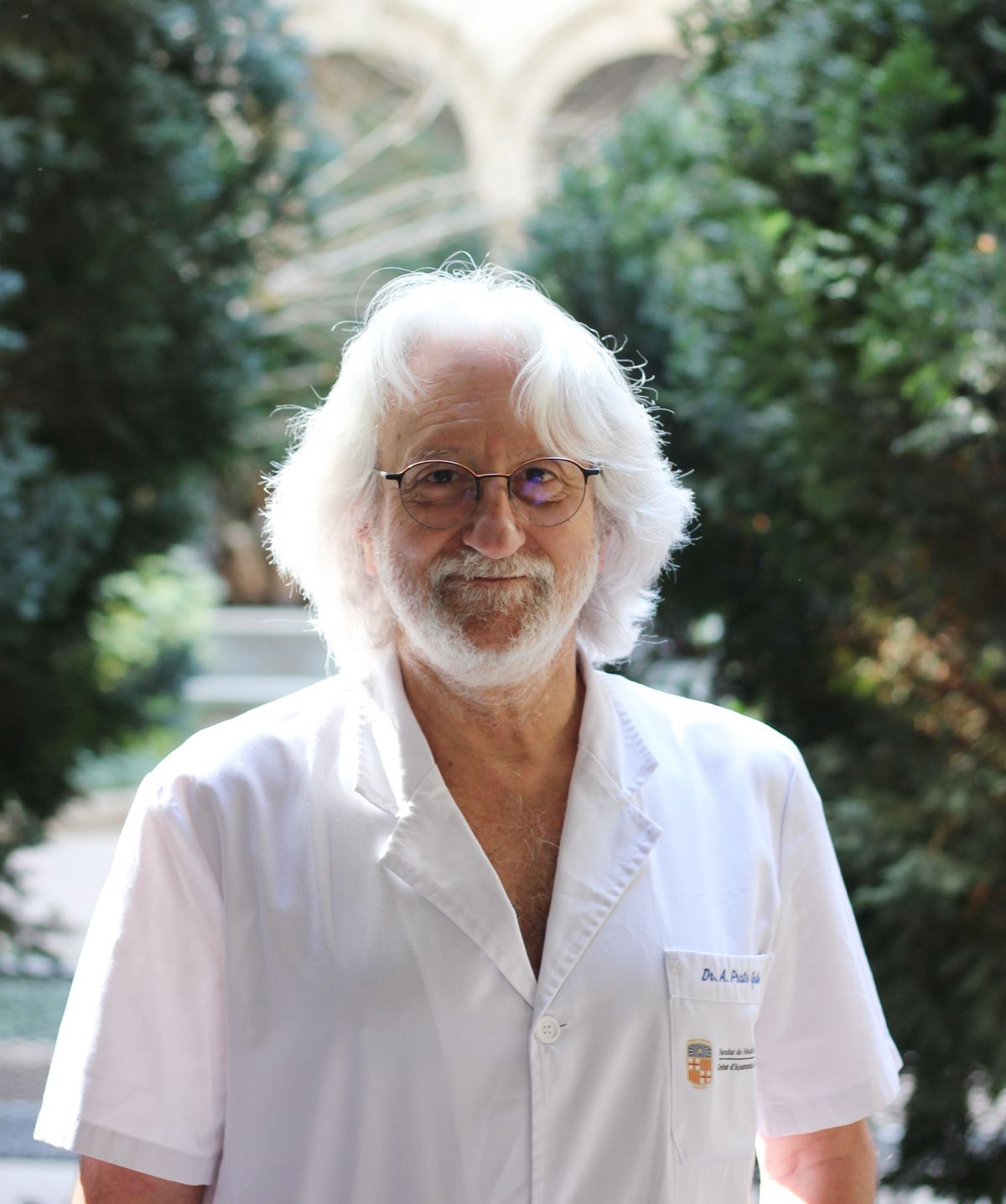
Alberto Prats-Galino, MD, PhD

Alberto Prats Galino has been Professor of Anatomy and Human Embryology at the Faculty of Medicine and Health Sciences of the University of Barcelona (UB) since 2008. He is also the Director of the Laboratory of Surgical Neuroanatomy (LSNA) at the Department of Surgery and Medical-Surgical Specialties, director of the Body Donation Service and Dissection Rooms (Campus Clínic) at UB, responsible professor of the ‘Virtual Anatomy and Simulation Group’ at UB, and Principal Investigator of the recognized research group ‘Surgical and Experimental Neuroanatomy by Imaging’ funded by Generalitat de Catalunya. His research focuses on the structural analysis of the central and peripheral nervous system in both normal and pathological states, as well as the characterization of their approaches and 3D modeling. In the last decades, he has focused on studies of anatomy applied to the simulation and quantification of anesthetic and neurosurgical transcranial and endoscopic approaches (endonasal, transorbital), and neuroimaging studies for the characterization of the structure and connectivity of the human brain and in animal models, in collaboration with Dr. Guadalupe Soria.

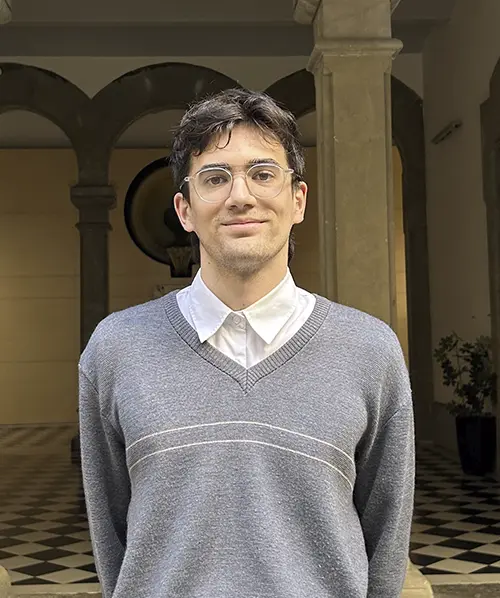
Federico Varriano, PhD

I specialize in neuroimage processing and analysis, and my research interests include diffusion and functional neuroimaging as tools to better understand brain connectivity in both healthy and diseased brains. I have worked extensively on the structural characterization of the Frontal Aslant Tract and its implication in language and working memory using tractography techniques. My current research is focused on disentangling the functional underpinnings of cognitive reserve in the TgF344-AD Rat Model of Alzheimer’s Disease.
Outside the lab, I enjoy reading (old books), walking (in nature), and meditation. I strive to balance the fast-paced demands of modern life with an active cultivation of a more analog and minimalist lifestyle.

Enric Abellí Deulofeu

I am a BSc in Biomedical Science by the Universitat Autònoma de Barcelona, MSc in Molecular Biology and Biomedicine by the Universitat de Girona (UdG). I have performed internships in the group of Neurobiology of Memory at the University of Eastern Finland and the Cellular and Molecular Neurobiology group (UdG). I have 2 and a half years of experience as a Data and Project manager (IGTP).
I joined the Brain Connectivity and Neuroimaging group on December 2023, where I started my PhD, which will evaluate the neurobiological mechanisms and brain circuitries underlying cognitive resilience in an Alzheimer’s Disease context.
My topics of interest in science are molecular biology, neuroscience, neurodegenerative diseases, learning and memory, synaptic plasticity, cognition… And outside of work I have other hobbies: shuffle, videogames, reading…

Julia Casanova Pagola

After graduating from the University of Edinburgh with an Honours Degree in Biological Sciences (Immunology) in 2022, I decided I wanted to continue learning in a research environment and fomenting my laboratory skills. Therefore, I moved to Barcelona where I underwent a Master’s degree in Translational Medicine at the University of Barcelona. I am currently doing a PhD at BCNlab lab, where I am interested in investigating the mechanisms which support cognitive reserve in Alzheimer’s Disease, particularly from an immunological perspective. During my research, I am keen in recognising the importance of sex differences in Alzheimer’s disease, as understanding sexual dimorphism from a preclinical level is key for truly efficient and translational research.

Clara García González

In 2022, I obtained my Bachelor’s degree in Biochemistry and Biomedical Sciences from the University of Valencia. I had always been deeply interested in the study of the brain and, in particular, I had long wished to better understand neurodegenerative diseases, which is why I enrolled in the MSc in Neurosciences at the University of Barcelona. In 2024, I joined the BCNlab to carry out my Master’s thesis, focused on researching the neurobiological mechanisms of cognitive reserve as a mechanism of brain resilience, looking specifically into protein markers of brain plasticity. I have stayed at the lab with the intention of pursuing a PhD that studies how brain connectivity and cognitive resilience mechanisms are influenced by Reelin potentiation in healthy ageing and Alzheimer’s Disease.

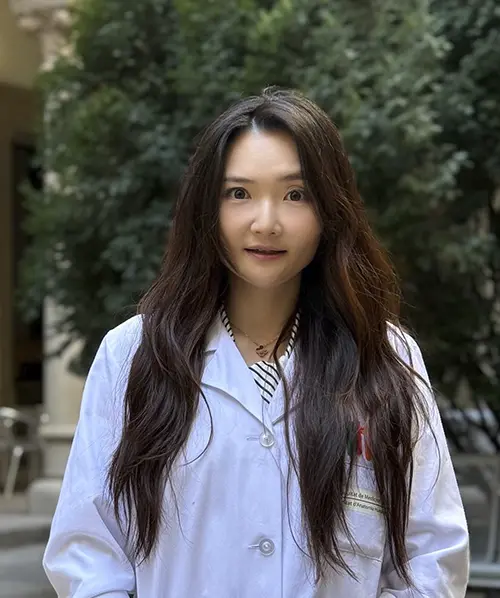
Yue Heng

My Bachelor’s and master’s degrees are both in clinical medicine. When I graduated from the School of Clinical Medicine of Sichuan University in 2016, I worked as a neurologist in clinical hospital for more than seven years, as an attending physician in neurology. I am mastering the diagnosis and treatment of common and frequent diseases related to neurology, showing a strong interest in neurodegenerative diseases, neuromuscular junction diseases. And I am currently pursuing a PhD in Medicine and Translational Research in BCNlab, studying the mechanism of Alzheimer’s disease. Outside of the laboratory, I like to travel, read, etc.

Daniel Mayans Pérez

In the last year of my Degree in Biomedical Sciences at the Universitat de Barcelona, I chose a course on Neurological Pathologies that sparked my interest in undertaking my final project in the field of neurosciences, specifically at the BCNLab, since I found their work with Alzheimer’s murine models highly interesting and motivating. After completing this project, I look forward to continuing my training, either in this same field or by expanding my knowledge to Bioinformatics. In any case, this experience at the BCN Lab is being extremely stimulating!